One of the great advantages of living in the 21st century is how accessible learning has become. We can pick up new skills almost instantly—watch a YouTube video, scroll through an online tutorial, download a lecture, or even access music education around the clock. In so many ways, it’s never been easier to grow.
But is growth really the goal?
Sort of. In one of his most powerful passages, Ephesians 4:11–15, Paul writes that Jesus has given us the five-fold offices to build up the body “… until we all reach unity in the faith and in the knowledge of the Son of God and become mature, attaining to the whole measure of the fullness of Christ… Instead, speaking the truth in love, we will grow to become in every respect the mature body of him who is the head, that is, Christ.”
That realization struck me a few weeks ago as I was preparing to preach from this very passage: growth and maturity are not the same thing.
Growth is important, but it’s not the finish line.
The true goal is maturity—the kind of maturity that takes shape as we, together, are formed into the fullness of Christ. Growth is the fuel, but maturity in Him is the destination.
This is why Jesus and the prophets so often speak of “pruning” as essential to walking with God.
And it must move in the right direction: roots and branches alike must deepen and stretch if a plant is to truly mature. Every spring, the blackberry bushes in my backyard explode with new shoots after the first heavy rains. But all that wild growth doesn’t yield fruit until much later—only after they’ve been trimmed back and given time in the sun.
Paul makes this same point at the beginning of Ephesians 4. He urges the church to live worthy of their calling, which he describes in practical terms: humility, gentleness, patience, and a willingness to bear with one another in love, all while making every effort to preserve the unity of the Spirit as they are joined together in Christ’s body. In other words, the only way to mature is together.
Notice how realistic Paul is—he wouldn’t call them to gentleness if harshness weren’t their default. He wouldn’t press for patience if short tempers weren’t common. He wouldn’t urge them to bear with one another if the temptation wasn’t to pull apart and give up. It’s easy to imagine we’ve grown in humility, gentleness, or patience—but those virtues are proven only when life with others demands them.
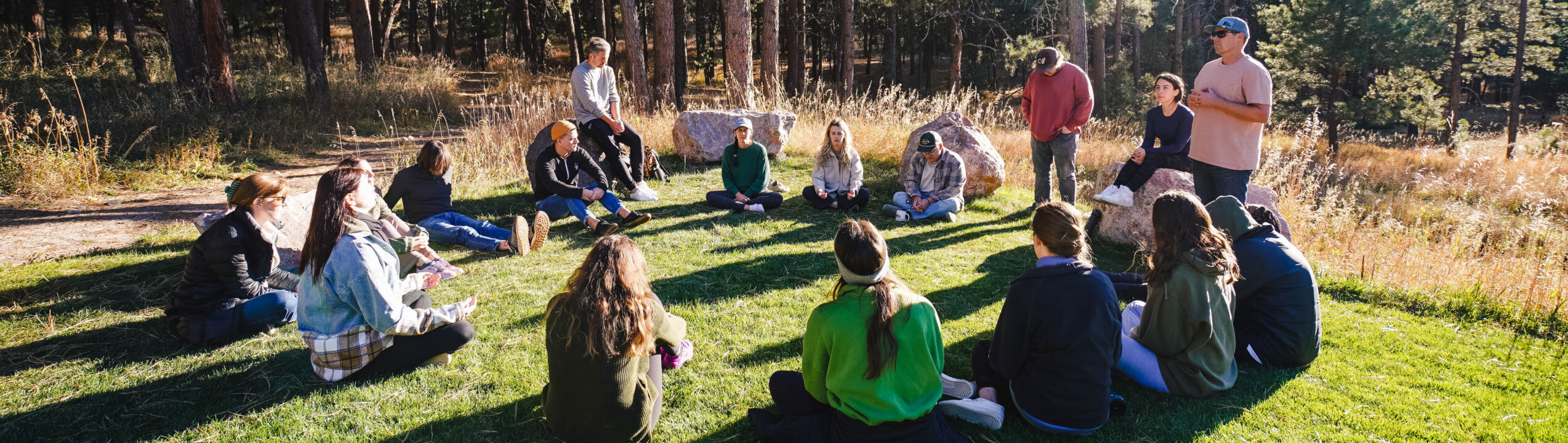
The maturity Paul envisions is never a solo project. It requires both the assistance and the resistance of others.
I think this touches the heart of what people often mean when they lament the lack of discipleship among modern Western Christians. We’ve too easily mistaken growth for maturity and information for wisdom, largely because we haven’t learned how to live within and respond to genuine, Spirit-formed community. In Paul’s language, we’ve “built up” the Church, but not always in the direction of “reaching unity in the faith.”
So what do we do?
Two things come to mind. First, we commit ourselves to the faith communities where God has planted us. The preaching may not be polished, the music may not move us—but that’s not the point. The real question is this: is your community pressing you toward deeper humility, gentleness, and patience? If so, then there is space for growth that leads to maturity. So keep showing up. Lean in. Stay faithful. And watch how God, through ordinary people and imperfect churches, builds us together into the Body of Christ.
Additionally, you can find a group of people who desire to grow in similar facets of their life and do it together with guidance from those who are further along the same path. If you want to become a better guitar player, you can grow by watching YouTube videos or online tutorials. But if you want to become a more mature worship leader, that kind of growth happens best in the context of a shared journey with others who are equally committed to the same calling.
Because ultimately, Jesus is the one who calls us into maturity, building us up as His body, so that growth is not just personal achievement but participation in His work of making us whole.
next worship school begins October 20-24, 2025